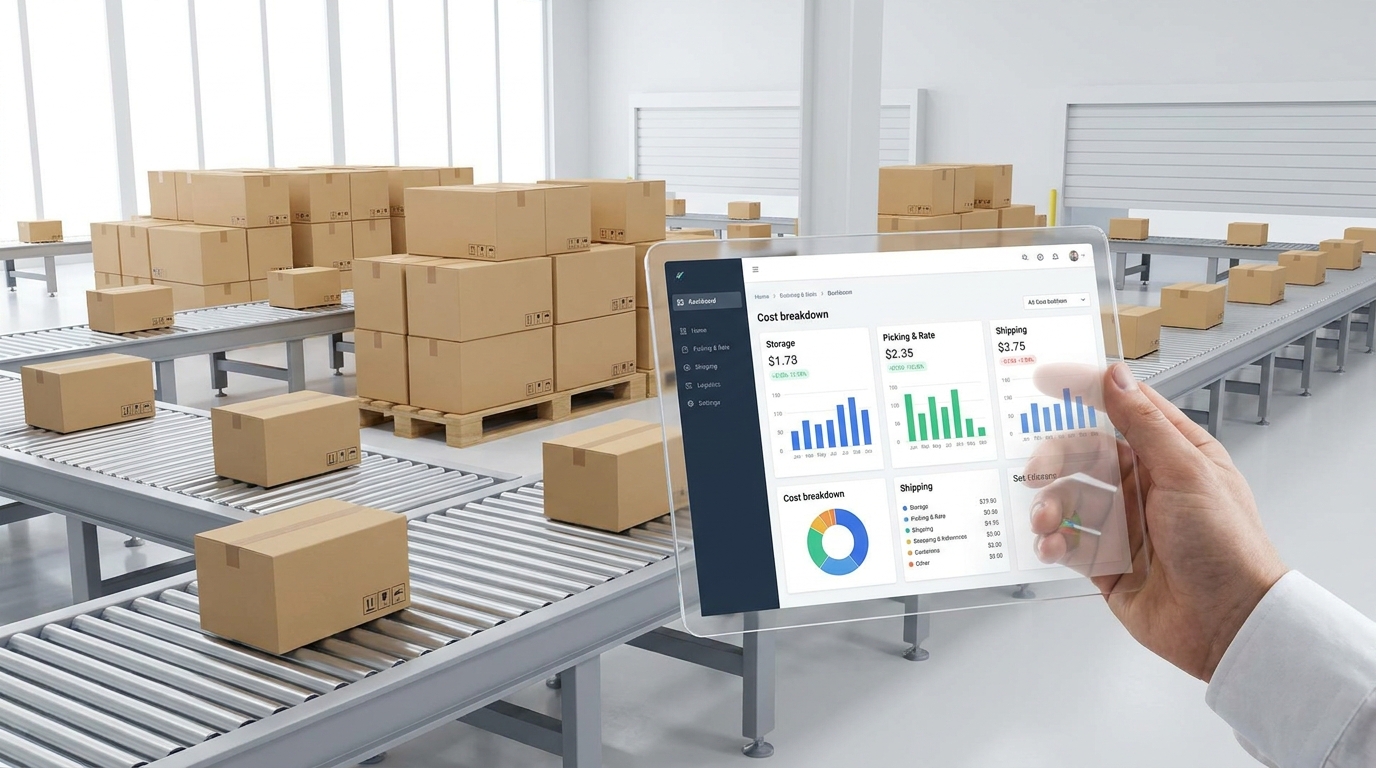
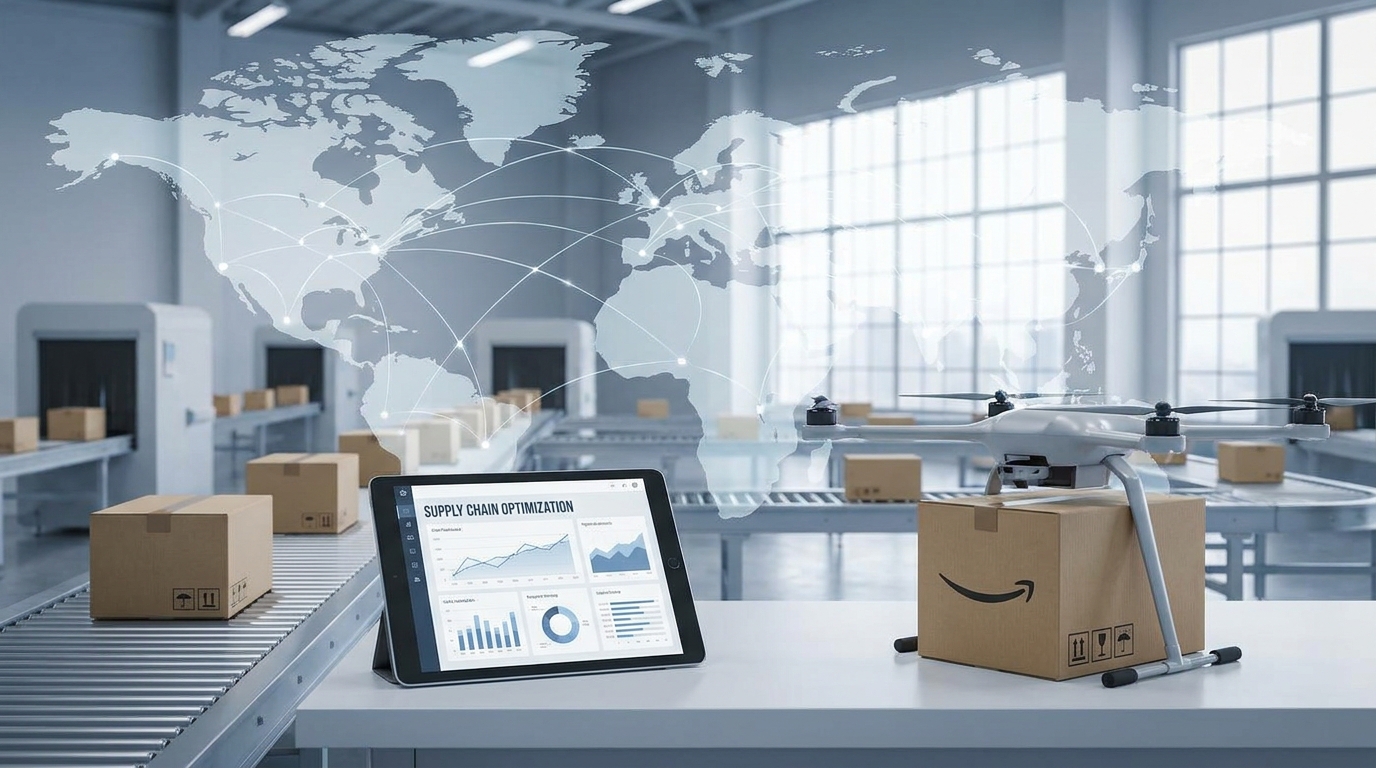
Running an online brand today means managing far more than just a great product. Behind every successful order is a complex web of suppliers, warehouses, carriers, and technology working in sync. Ecommerce supply chain management is the system that holds it all together — and when it breaks down, your customers feel it first.
Whether you’re shipping 50 orders a month or 50,000, the way you manage your supply chain directly impacts your costs, your delivery speed, and your brand reputation. This guide breaks down everything you need to know to build, optimize, and scale a supply chain that works as hard as you do.
What Is Ecommerce Supply Chain Management?
Ecommerce supply chain management is the end-to-end coordination of all processes involved in getting a product from its source to the customer’s door. It includes sourcing raw materials or finished goods, managing inventory, warehousing, order fulfillment, shipping, and handling returns.
Think of it as the operational backbone of your online business. Every touchpoint — from the moment a customer clicks “buy” to the moment they open their package — is shaped by decisions made within your supply chain.
A well-managed supply chain helps you:
- Reduce operational costs
- Fulfill orders faster and more accurately
- Avoid stockouts and overstock situations
- Improve customer satisfaction and retention
- Scale without chaos
The Core Components of an Ecommerce Supply Chain
Before you can optimize anything, you need to understand what you’re working with. The ecommerce supply chain is made up of several interconnected stages, each one affecting the next.
1. Sourcing and Procurement
This is where your supply chain begins. Sourcing involves finding and vetting suppliers who can deliver quality products at competitive prices. Strong supplier relationships reduce lead times, improve product consistency, and give you more leverage during negotiations.
Diversifying your supplier base is smart risk management. Relying on a single source creates vulnerability — one factory delay can ripple through your entire operation.
2. Inventory Management
Inventory is both your most important asset and your biggest liability. Too little and you face stockouts that frustrate customers. Too much and you’re tying up cash in unsold goods while paying for storage you don’t need.
Effective inventory management means forecasting demand accurately, setting reorder points, and tracking stock levels in real time. Tools like inventory management software and integrations with your ecommerce platform can automate much of this process.
Learn more about how warehousing and inventory management work together to keep your business running smoothly.
3. Warehousing and Storage
Where you store your inventory matters more than most brands realize. Warehouse location affects shipping speed, cost, and your ability to reach customers quickly. Storing product closer to your customer base reduces both transit times and shipping expenses.
Many growing brands work with third-party logistics (3PL) providers that offer warehousing and distribution services, eliminating the need to manage physical space in-house.
4. Order Fulfillment
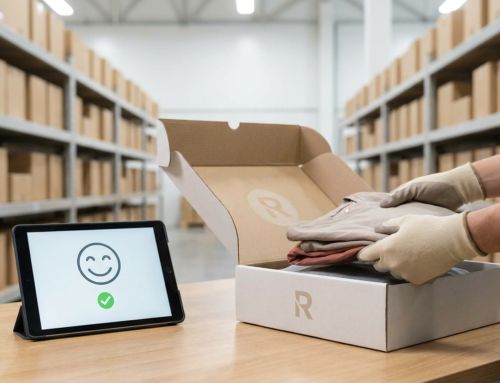
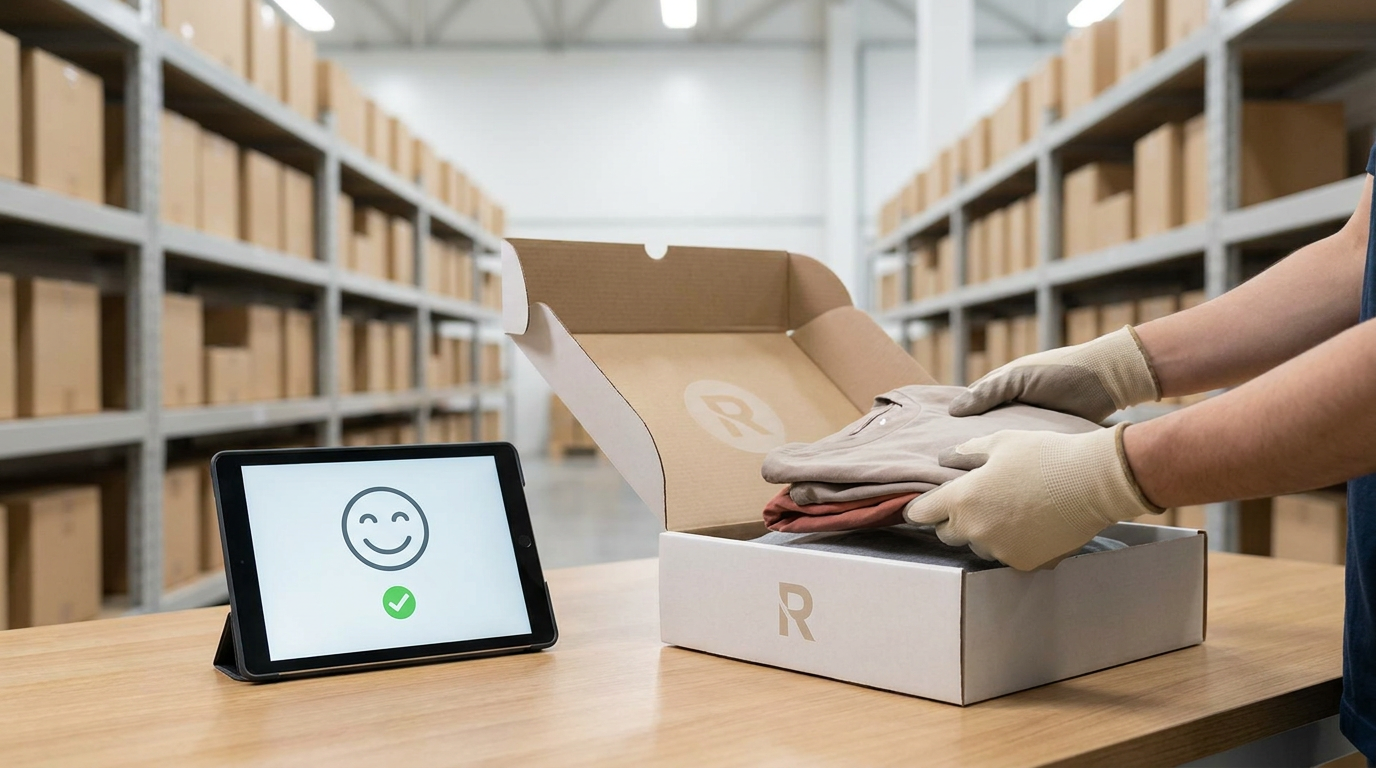
Fulfillment is the process of picking, packing, and shipping an order after it’s been placed. It sounds simple, but at scale, it becomes one of the most operationally demanding parts of running an ecommerce business.
Fast, accurate fulfillment builds trust. Slow or incorrect orders damage it. This is why pick and pack fulfillment processes need to be both efficient and reliable.
5. Shipping and Last-Mile Delivery
Getting an order from the warehouse to the customer’s door is called last-mile delivery, and it’s often the most expensive part of the supply chain. Carrier selection, shipping zones, package dimensions, and delivery speed all factor into your shipping costs.
Understanding how carriers calculate charges — especially concepts like dimensional weight — can help you reduce unnecessary spend. Explore how dimensional weight affects your shipping bill and what you can do about it.
6. Returns Management
Returns are an inevitable part of ecommerce. A smooth, hassle-free returns process keeps customers loyal. A painful one sends them to your competitors. Building reverse logistics into your supply chain strategy from the start — rather than treating it as an afterthought — saves time, money, and headaches.
See how returns and exchanges can be managed efficiently as part of your broader fulfillment strategy.
Common Ecommerce Supply Chain Challenges
Even well-run supply chains hit obstacles. Understanding the most common pain points helps you prepare for them before they become crises.
Demand Forecasting Errors
Predicting what customers will want and when is notoriously difficult. Seasonal spikes, viral product moments, and market shifts can all catch brands off guard. Poor forecasting leads to either stockouts or excess inventory — both of which cost money.
If you’ve ever wondered what backordered means and how to prevent it from happening to your business, smarter forecasting is the answer.
Shipping Cost Volatility
Carrier rates change constantly. Fuel surcharges, peak season fees, and rate increases can significantly affect your margins if you’re not actively managing them. There are strategies you can use to lower shipping costs without changing your product at all.
Supplier Reliability
Late shipments from suppliers cascade into late deliveries for customers. Building redundancy into your supplier relationships and maintaining safety stock for your best-sellers gives you a buffer when things go wrong.
Visibility and Tracking
Not knowing where your inventory is at any given moment is a serious operational risk. Brands that lack supply chain visibility struggle to respond quickly to disruptions, forecast accurately, or provide customers with reliable delivery estimates.
Scaling Without Chaos
Growth is the goal, but rapid growth often exposes weaknesses in a supply chain that worked fine at smaller volumes. The processes and tools that got you to 100 orders a day may not scale to 1,000 without significant upgrades.
Ecommerce Supply Chain Management Strategies That Work
Knowing the challenges is step one. Building a proactive strategy to address them is what separates thriving brands from struggling ones.
Invest in Technology Early
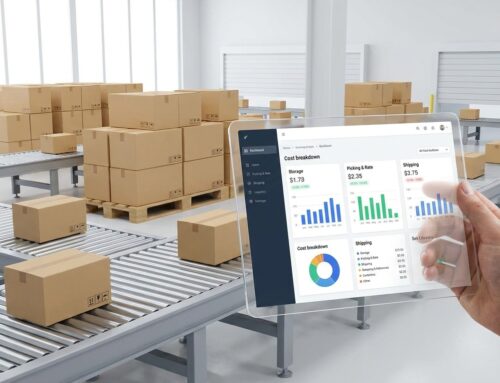
Modern supply chain management is technology-driven. Invest in an inventory management system that integrates with your ecommerce platform and gives you real-time visibility into stock levels, orders, and shipments. The earlier you build these systems, the easier scaling becomes.
Optimize Your Warehouse Network
Strategic warehouse placement reduces shipping distances and cuts costs. Many brands benefit from fulfillment centers on both coasts to reach customers faster. An east coast order fulfillment provider paired with a west coast facility can dramatically reduce average transit times.
For west coast coverage, a fulfillment center in Los Angeles gives you access to one of the largest consumer markets in the country, along with proximity to major ports for imported goods.
Partner with a 3PL Provider
Third-party logistics providers handle warehousing, fulfillment, and often shipping on your behalf. For brands that don’t want to manage their own warehouse operations, a 3PL can be a game-changer.
The right 3PL partner gives you infrastructure, expertise, and scalability without the overhead. If you’re not sure where to start, this complete guide to 3PL fulfillment warehouses covers everything you need to know. You can also explore the cost of working with a 3PL to understand what to budget for.
For smaller brands just getting started, the best 3PL for small business options offer flexible pricing and lower minimums that make outsourcing accessible even at lower volumes.
Embrace Omnichannel Fulfillment
Today’s shoppers buy through multiple channels — your website, Amazon, social media shops, and more. Managing inventory and fulfillment across all of these from a single system prevents overselling, stock discrepancies, and fulfillment errors.
Explore how omnichannel ecommerce fulfillment can unify your operations and improve the customer experience across every sales channel.
Prioritize Packaging Efficiency
Packaging is often overlooked as a supply chain lever, but it directly affects your shipping costs, product protection, and brand experience. Oversized packaging wastes space and increases dimensional weight charges. Under-protected packaging leads to damaged goods and costly returns.
Smart packaging decisions — like understanding volumetric weight for global sellers — can meaningfully reduce costs at scale. And for brands that care about presentation, custom packaging for clothing brands can turn the unboxing experience into a marketing moment.
Build a Direct-to-Consumer Fulfillment Strategy
Selling directly to consumers gives you control over the entire customer experience, from first touch to final delivery. But it also means your supply chain needs to perform flawlessly, because there’s no retailer buffer between you and the customer.
A strong direct-to-consumer fulfillment strategy enables faster shipping, better margins, and richer customer data — all critical advantages for growing ecommerce brands.
Ecommerce Supply Chain Management for Specific Industries
Supply chain needs vary by product type. What works for a home goods brand may not work for an apparel company. Understanding industry-specific considerations helps you build a supply chain that actually fits your business.
Apparel and Fashion Brands
Clothing brands face unique supply chain challenges: seasonal collections, size and variant complexity, high return rates, and the need for careful garment handling. Knowing how to package clothes for shipping correctly prevents damage and reduces returns.
As your brand grows, deciding when to outsource apparel fulfillment is one of the most important operational decisions you’ll make. The right timing can free up significant resources and accelerate growth.
Brands Shipping Lightweight or Bulky Items
Products that are large in volume but light in weight — think pillows, foam products, or bulky accessories — present specific shipping cost challenges. Dimensional weight pricing means you pay for space, not just pounds. Learn how to ship lightweight bulky items without letting carrier fees eat your margins.
International Ecommerce Sellers
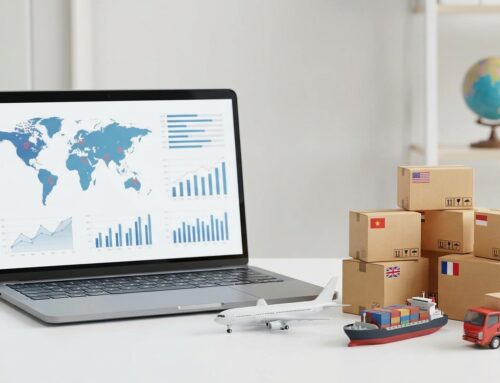
Selling globally introduces additional supply chain complexity: customs documentation, international shipping rates, localized fulfillment, and cross-border regulations. Brands looking to grow internationally need a fulfillment infrastructure built for global scale.
Explore your options for international ecommerce fulfillment and discover how to reach global customers without sacrificing speed or profitability.
How Smart Fulfillment Strengthens Your Entire Supply Chain
Fulfillment isn’t just the last step — it’s the moment of truth for your customer relationship. Everything that happens upstream in your supply chain exists to make this moment go smoothly.
When fulfillment is optimized, orders ship on time, errors are rare, and customers come back. When it’s not, you spend your time managing complaints, processing refunds, and losing repeat business.
Smart fulfillment means having the right products in the right place, picking and packing them accurately and efficiently, and getting them into the carrier’s hands quickly. Smart fulfillment builds stronger ecommerce brands — and it starts with choosing the right systems and partners.
The combination of pick and pack fulfillment services and same-day and next-day shipping capabilities gives brands a genuine competitive advantage in markets where customers expect speed.
When to Scale Your Supply Chain Operations
Knowing when to upgrade your supply chain is just as important as knowing how. Here are the signs it’s time to level up:
- Order accuracy is declining — Frequent picking errors signal that your fulfillment process can’t keep up with volume.
- Shipping times are increasing — If delivery windows are widening, your logistics infrastructure may be the bottleneck.
- You’re running out of storage space — Inventory spilling into non-dedicated areas is a sign you need a proper warehousing solution.
- Returns are increasing — High return rates often point to packaging issues, product quality problems, or inventory accuracy gaps.
- You’re spending too much time on operations — If supply chain tasks are pulling you away from growth activities, it’s time to outsource or automate.
Whether you need a fulfillment center built for small businesses or a scalable infrastructure for rapid growth, matching your supply chain to your stage of business is critical.
Choosing the Right Fulfillment Partner
Your fulfillment partner is one of the most consequential choices in your supply chain. The wrong partner creates delays, errors, and customer service nightmares. The right one becomes a true extension of your brand.
When evaluating a fulfillment partner, look for:
- Technology integration — Does their system connect seamlessly with your ecommerce platform?
- Location — Are they located near your customer base to minimize transit times?
- Scalability — Can they handle your peak volume without service degradation?
- Specialization — Do they have experience with your product type and industry?
- Transparency — Do they provide real-time visibility into your inventory and orders?
- Customer service — Are they responsive and proactive when issues arise?
Explore ecommerce fulfillment solutions built specifically for online brands, or browse the full range of product fulfillment services to find the right fit for your business.
Measuring Supply Chain Performance
You can’t improve what you don’t measure. Tracking the right key performance indicators (KPIs) gives you the data to make better decisions and catch problems before they escalate.
Key supply chain metrics to monitor include:
- Order accuracy rate — Percentage of orders fulfilled without errors
- On-time shipment rate — How consistently orders leave the warehouse on time
- Inventory turnover ratio — How quickly you sell through your stock
- Days of inventory on hand — How long your current stock will last at current sales velocity
- Return rate by product — Which products generate the most returns and why
- Cost per order — Total fulfillment cost divided by number of orders shipped
- Shipping cost as a percentage of revenue — How much of each sale goes toward delivery
Reviewing these metrics regularly — and holding your partners accountable to them — is how you continuously improve your supply chain performance.
Conclusion: Build a Supply Chain That Scales With Your Brand
Effective ecommerce supply chain management isn’t a one-time project — it’s an ongoing commitment to operational excellence. From sourcing and inventory to fulfillment and returns, every stage of your supply chain is an opportunity to deliver more value to your customers and more margin to your business.
The brands that win in ecommerce aren’t always the ones with the best products. They’re the ones that can deliver those products consistently, affordably, and quickly — at any scale.
Start by identifying the weakest link in your current supply chain. Whether it’s inventory visibility, fulfillment speed, shipping costs, or returns management, there’s a solution available — often through the right technology, the right processes, or the right partner.
Ready to optimize your supply chain from the ground up? Contact the team at Shipcore Fulfillment to explore how expert fulfillment solutions can power your brand’s next stage of growth. Or explore the Shipcore blog for more guides, strategies, and insights built for online sellers like you.