If you’ve spent any time researching ecommerce logistics, you’ve probably encountered the terms “fulfillment” and “distribution” used interchangeably. But here’s the truth: they are not the same thing. Confusing the two can lead to costly operational mistakes, the wrong partnerships, and a supply chain that doesn’t actually serve your business model. Understanding the fulfillment or distribution industry — and where the two diverge — is one of the most important foundational decisions you’ll make as an ecommerce seller.
In this guide, we’ll break down exactly what separates fulfillment from distribution, why it matters for your bottom line, and how to determine which model (or combination of both) is right for your business.
What Is Order Fulfillment?
Order fulfillment is the end-to-end process of receiving, processing, and delivering individual customer orders. When a shopper clicks “buy” on your website, the fulfillment process kicks in — from picking the product off a warehouse shelf to packing it, labeling it, and shipping it directly to the customer’s door.
Fulfillment is fundamentally consumer-facing. It’s about getting the right product to the right person at the right time, with the right packaging and documentation. Every touchpoint in fulfillment is designed around the end customer experience.
The Core Steps in the Fulfillment Process
- Inventory receiving: Your products arrive at the fulfillment center and are logged into inventory management systems.
- Storage: Products are stored in organized bins, shelves, or zones until an order is placed.
- Order processing: When an order comes in, it’s verified and routed to the warehouse floor.
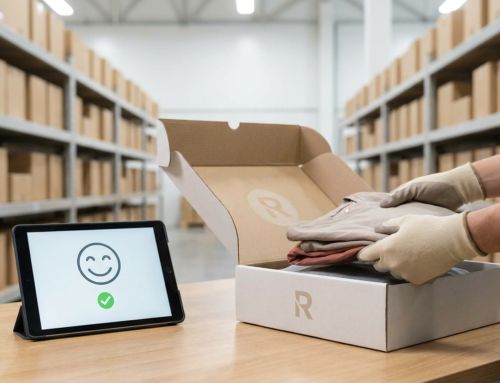
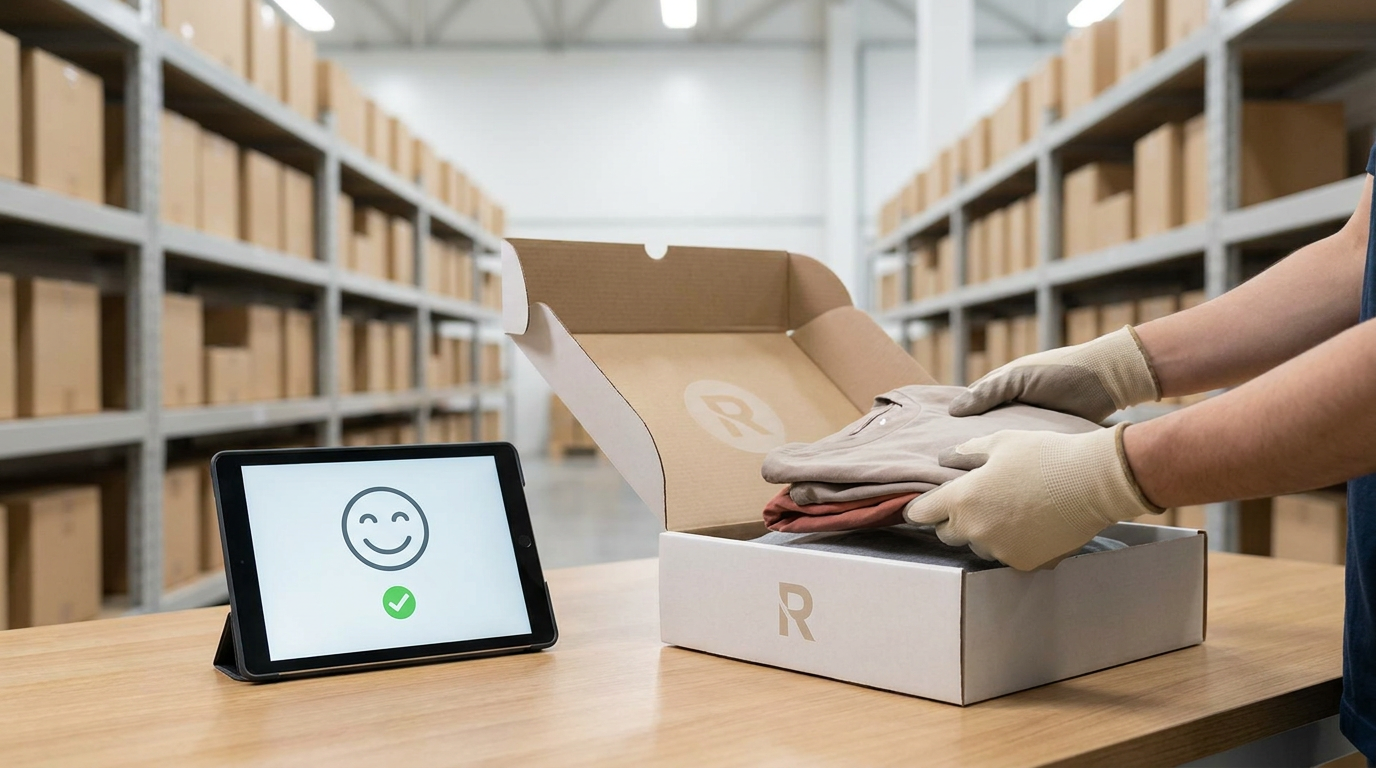
- Pick and pack: Workers (or automated systems) pick the ordered items and pack them securely for shipping.
- Shipping: The package is labeled and handed off to a carrier for last-mile delivery.
- Returns handling: Returned items are received, inspected, and either restocked or processed.
If you’re running a direct-to-consumer brand, direct-to-consumer fulfillment is almost certainly the model you need. It’s built around individual order volumes, fast shipping windows, and brand-specific packaging requirements.
You can explore more about how this process works by reading about pick and pack fulfillment, which is one of the most labor-intensive and critical steps in the entire operation.
What Is Distribution?
Distribution, on the other hand, is the large-scale movement of goods from manufacturers or suppliers to retailers, wholesalers, or regional distribution hubs. Rather than shipping one order to one customer, distribution focuses on moving bulk quantities of product through the supply chain.
Think of distribution as the upstream step before fulfillment even begins. A manufacturer produces 50,000 units of a product. Those units are transported to a distribution center. From there, they’re broken into smaller lots and sent to retail stores, regional warehouses, or third-party logistics providers who handle the downstream fulfillment work.
Key Characteristics of Distribution
- High-volume shipments: Distribution deals in pallets, truckloads, and freight — not individual packages.
- B2B focus: Products typically move from business to business, not business to consumer.
- Longer lead times: Distribution doesn’t require the same same-day or next-day urgency that ecommerce fulfillment demands.
- Retail compliance: Many distribution operations require strict compliance with retailer routing guides (specific labeling, pallet configurations, EDI requirements).
- Geographic reach: Distribution networks are built to span large regions efficiently, routing goods to the right locations at scale.
For brands selling through retail channels or managing wholesale accounts, understanding warehousing and distribution is essential to keeping shelves stocked and retailers satisfied.
Fulfillment vs Distribution: A Side-by-Side Comparison
Let’s make this even clearer. Here’s how the fulfillment or distribution industry breaks down across several key dimensions:
| Factor | Fulfillment | Distribution |
|---|---|---|
| Primary Customer | End consumer (B2C) | Retailers or wholesalers (B2B) |
| Order Size | Individual units | Pallets or bulk quantities |
| Speed Requirements | High (same-day to 2-day) | Moderate (days to weeks) |
| Packaging | Consumer-facing, branded | Industrial, functional |
| Technology Needs | Order management, OMS integrations | EDI, WMS for bulk handling |
| Returns Processing | Critical and frequent | Less common, handled differently |
Understanding these differences helps you ask better questions when evaluating logistics partners. Are you looking for a partner who can process 500 individual orders a day with branded inserts? That’s fulfillment. Are you moving 20 pallets a week to five regional retailers? That’s distribution.
Why the Distinction Matters in Ecommerce
The ecommerce boom has blurred the lines between fulfillment and distribution — and that’s partly what makes this topic so confusing. Many modern brands operate both channels simultaneously. They sell direct to consumers through their website while also supplying retail partners or wholesale accounts. This is known as omnichannel ecommerce fulfillment, and it requires a logistics infrastructure that can handle both models at once.
Choosing the wrong type of logistics partner for your actual needs can lead to:
- Delayed shipments and poor customer experience
- Retail chargebacks from non-compliant distribution
- Higher costs due to mismatched service levels
- Inventory visibility problems across channels
- Inability to scale when order volume spikes
If you’re an ecommerce brand primarily shipping to individual customers, a fulfillment-focused 3PL is almost always the right partner. If you’re also managing wholesale or retail distribution, you’ll need a provider with capabilities in both areas.
The Role of Third-Party Logistics (3PL) Providers
A third-party logistics provider — commonly called a 3PL — can operate in the fulfillment space, the distribution space, or both. The key is knowing what services you need before you start evaluating providers.
Most ecommerce-focused 3PLs specialize in fulfillment: they receive your inventory, store it in their warehouse, and ship individual orders on your behalf. They integrate with your ecommerce platform (Shopify, WooCommerce, Amazon, etc.) and handle the day-to-day logistics so you can focus on growing your business.
What to Look for in a Fulfillment-Focused 3PL
- Fast order processing and same-day or next-day shipping capabilities
- Real-time inventory tracking and reporting
- Seamless ecommerce platform integrations
- Custom packaging and branded unboxing options
- Transparent, scalable pricing
- Geographic positioning to minimize shipping costs and transit times
If you’re a small or growing ecommerce business, check out this guide on finding the best 3PL for small business to understand what you should prioritize. Location matters enormously too — working with an East Coast order fulfillment provider can dramatically cut shipping times and costs for customers in the northeastern United States.
For a broader overview of how third-party logistics works, the 3PL fulfillment warehouse complete guide is an excellent resource.
Distribution Centers vs Fulfillment Centers: Are They the Same?
This is one of the most common points of confusion in the fulfillment or distribution industry. People use “distribution center” and “fulfillment center” as synonyms — but they serve meaningfully different functions.
Distribution Centers
A distribution center is primarily a hub for receiving and redistributing large volumes of product. Goods flow in in bulk and flow out in bulk to stores, regional warehouses, or retail partners. Speed at the individual unit level isn’t the priority — throughput at scale is.
Fulfillment Centers
A fulfillment center is optimized for individual order processing. Everything about the layout, technology, and staffing is designed to handle high volumes of single-unit orders quickly and accurately. The focus is on picking speed, packing precision, and fast carrier handoffs.
If you’re in the ecommerce world, a fulfillment center for small business is likely what you need — not a distribution center. The services are tailored to direct consumer orders, branded packaging, and flexible inventory management.
For brands on the West Coast or serving West Coast markets, exploring a fulfillment center in Los Angeles could provide significant shipping cost advantages.
How Fulfillment Impacts the Customer Experience
Here’s something distribution can’t do that fulfillment absolutely must: create a great customer experience. When your customer receives a package, the entire fulfillment process is on display. The speed of delivery, the quality of packaging, the accuracy of the order — all of it reflects directly on your brand.
Branded packaging is one of the most powerful (and underused) tools in ecommerce. Custom packaging doesn’t just protect the product — it reinforces brand identity, increases perceived value, and drives social sharing. If you’re in the apparel space, read about custom packaging for your clothing brand to understand what’s possible.
Shipping speed is another critical component. Customers expect fast delivery, and meeting those expectations is a major competitive advantage. Same-day and next-day shipping options are increasingly becoming table stakes in ecommerce — and a fulfillment partner’s ability to deliver on those promises matters enormously.
Returns: A Fulfillment Function, Not a Distribution One
Returns processing is one of the clearest indicators that fulfillment and distribution are different operations. In ecommerce, returns are frequent, complex, and closely tied to customer satisfaction. A good fulfillment partner handles returns and exchanges efficiently — inspecting items, restocking sellable inventory, and making the process painless for the customer.
Distribution operations, by contrast, rarely deal with consumer returns at all. Their returns are typically handled through retailer deductions, claim processes, or bulk returns to the manufacturer — a completely different workflow.
Shipping Costs: A Critical Consideration in Both Models
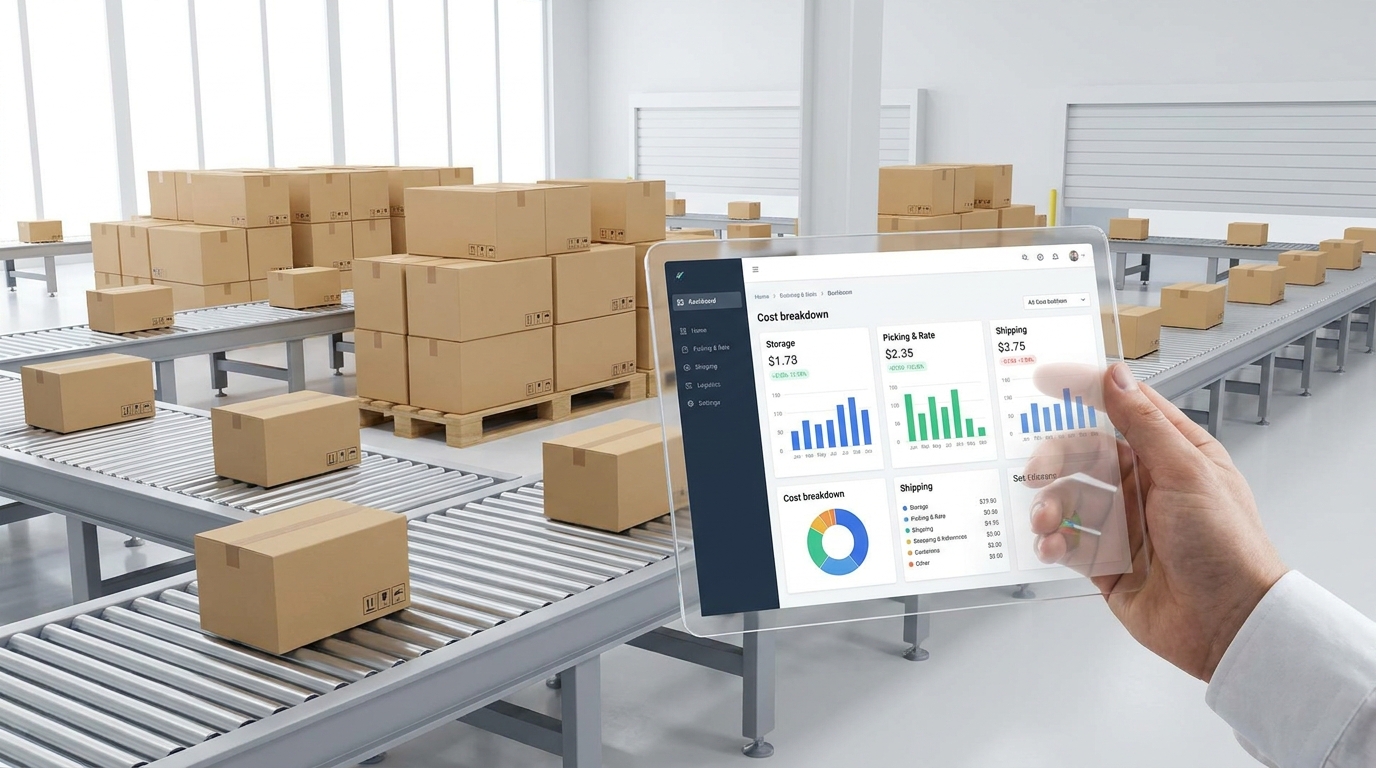
Whether you’re in fulfillment or distribution, shipping costs are one of your largest controllable expenses. In the fulfillment or distribution industry, small inefficiencies in how you calculate, optimize, or negotiate shipping rates can add up to thousands of dollars monthly.
One area many ecommerce businesses overlook is dimensional weight pricing. Carriers don’t always charge based on actual package weight — they charge based on the larger of actual weight vs. dimensional (volumetric) weight. This catches many shippers off guard. Understanding how dimensional weight affects your shipping costs is essential for accurate cost forecasting.
If you’ve ever wondered why your shipping bill is higher than your package weight, the answer almost certainly involves dimensional weight calculations. The good news: with the right fulfillment partner and smart packaging strategies, you can lower your shipping costs without changing your product.
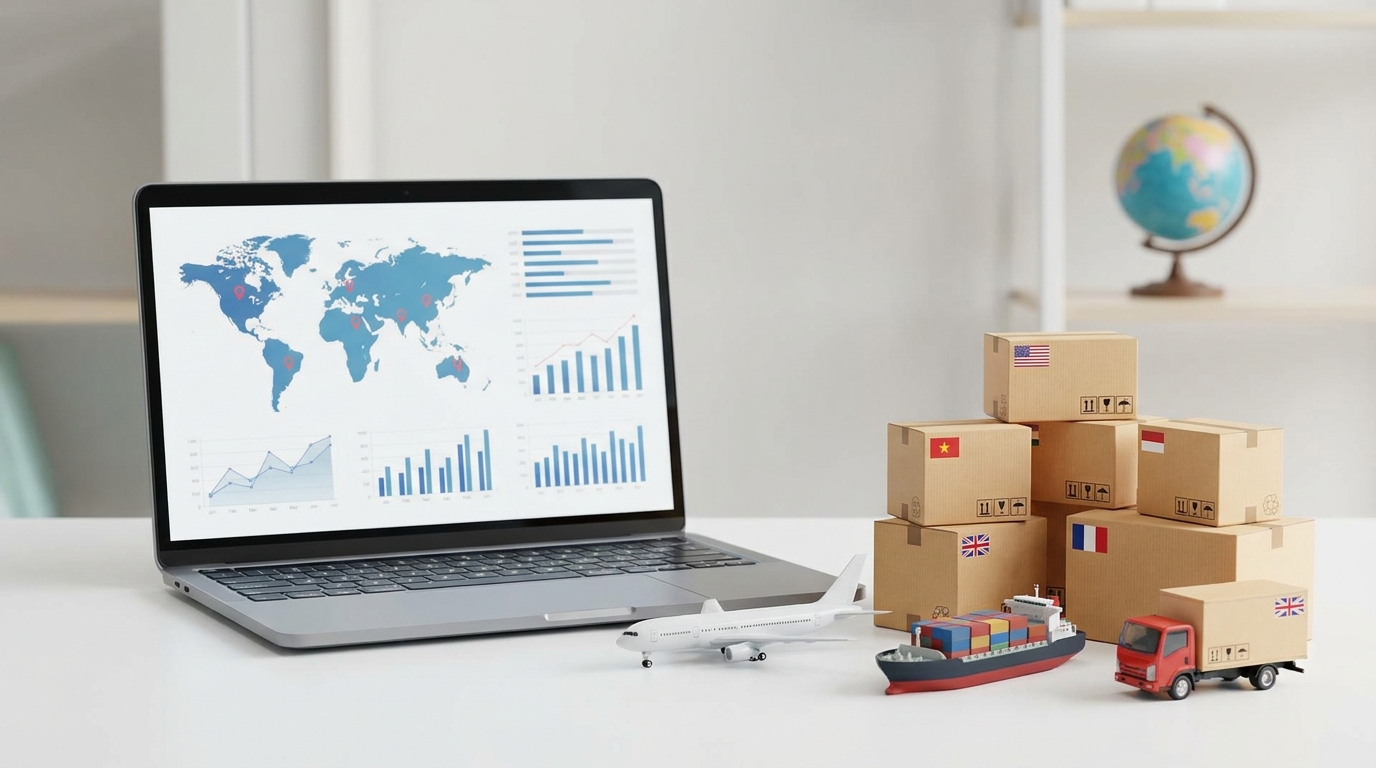
For brands shipping internationally, volumetric weight calculations become even more complex and impactful on landed costs.
When Brands Need Both: The Hybrid Approach
Many growing ecommerce brands reach a point where they’re serving both DTC (direct-to-consumer) customers and wholesale or retail partners. In this scenario, you need a logistics setup that can handle both fulfillment and distribution simultaneously — without creating inventory chaos or order errors.
This hybrid approach requires:
- Shared or segmented inventory pools that allocate stock appropriately across channels
- Different fulfillment workflows for B2C vs. B2B orders
- Retail compliance capabilities for distribution-side orders (routing guides, ASN documents, EDI)
- Robust reporting that gives you visibility across all channels simultaneously
- A 3PL partner with proven experience in both models
If you’re in the apparel space, you face unique challenges in both fulfillment and distribution — from managing seasonal inventory to handling returns of multiple SKUs. Read about when to outsource apparel fulfillment to understand when it makes strategic sense to bring in outside help.
Industry Trends Shaping Fulfillment and Distribution
The line between fulfillment and distribution continues to evolve as ecommerce technology advances. Here are some of the trends shaping both sides of the industry:
Automation and Robotics
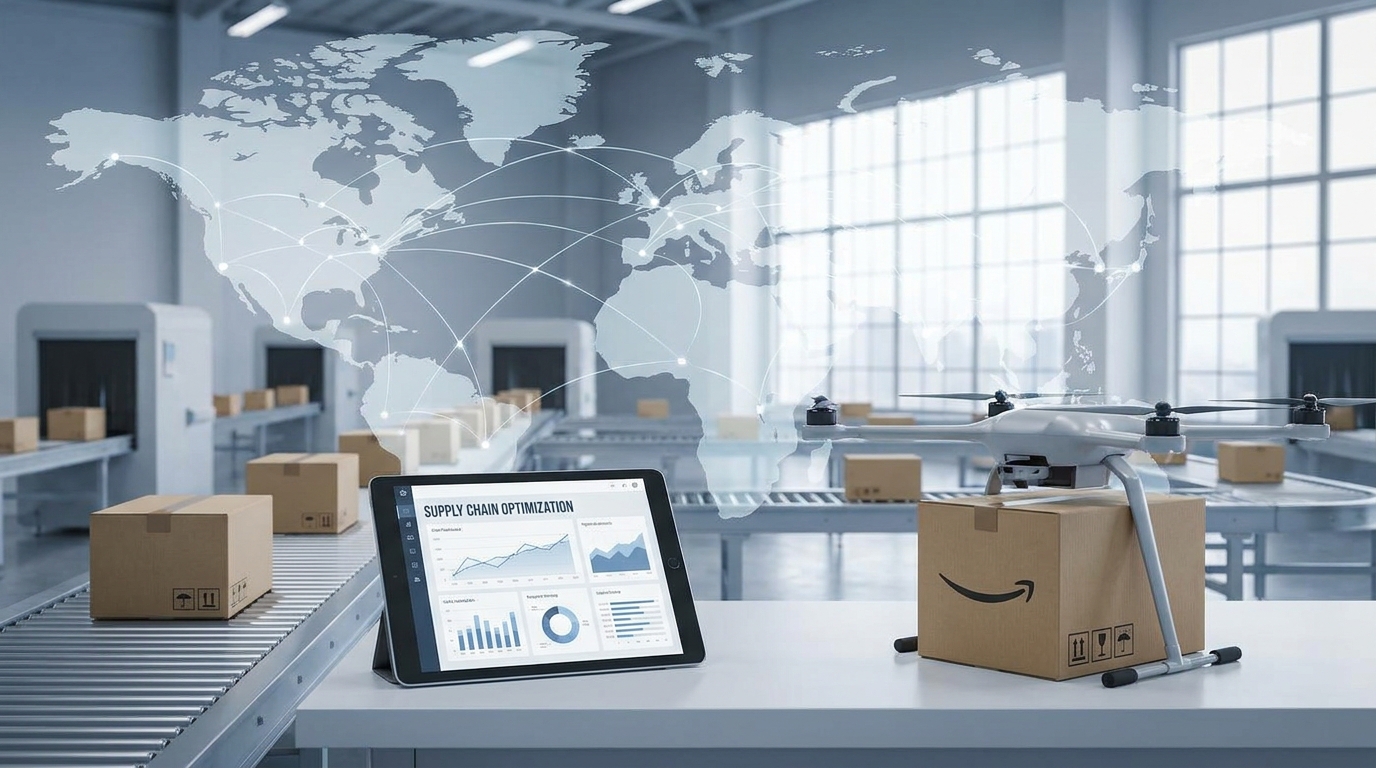
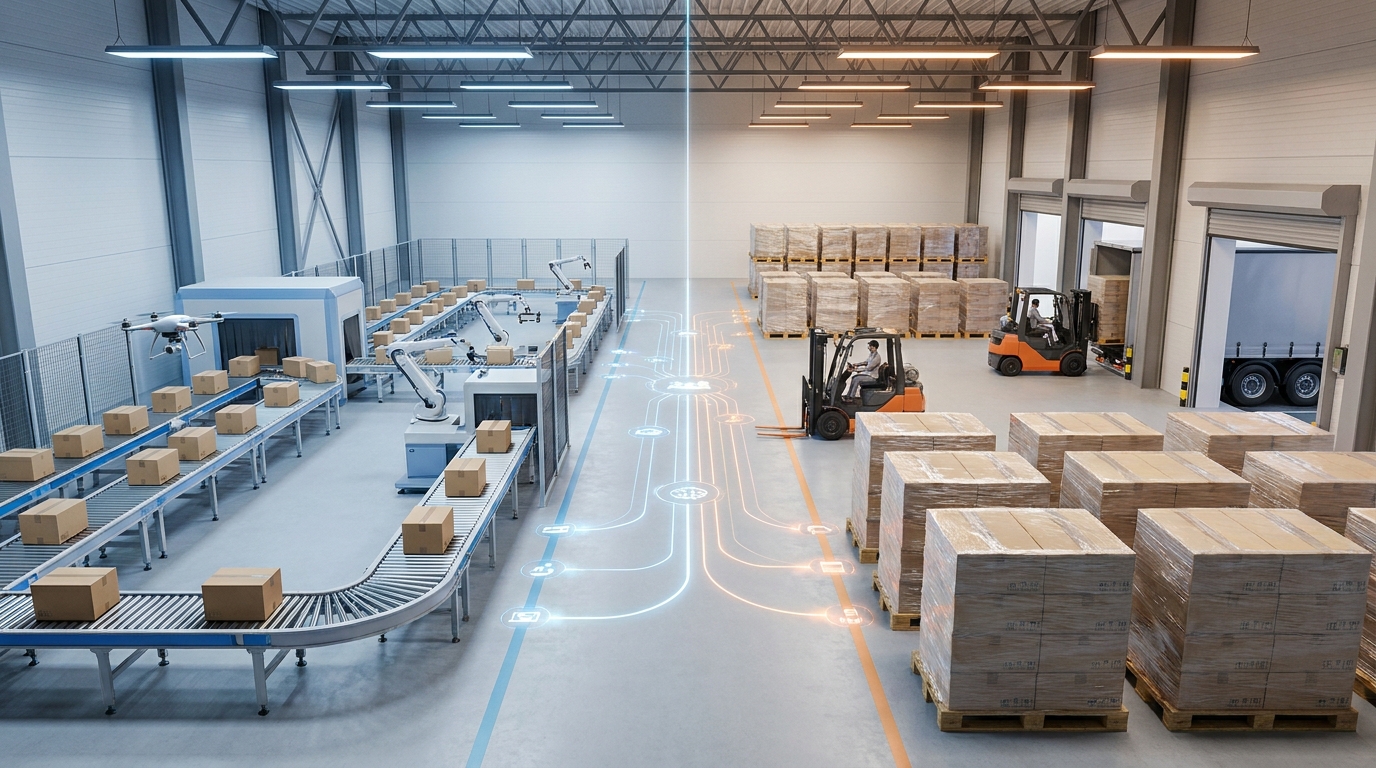
Both fulfillment centers and distribution centers are increasingly deploying robotics and automation to improve throughput and accuracy. Automated sorting systems, robotic picking arms, and conveyor-based packing stations are becoming standard in high-volume operations.
Micro-Fulfillment Centers
To meet demand for faster delivery, retailers and 3PLs are establishing smaller, strategically located fulfillment nodes closer to dense customer populations. This reduces transit times and shipping costs for last-mile delivery.
Data-Driven Inventory Management
Advanced inventory forecasting tools help both fulfillment and distribution operations reduce stockouts and overstock situations. Proper warehousing and inventory management is increasingly powered by machine learning and real-time demand data.
Sustainability Pressures
Both distribution and fulfillment operations are facing growing pressure to reduce carbon footprints — through optimized routing, sustainable packaging materials, and consolidated shipments. Brands that prioritize sustainability in their logistics are increasingly winning with environmentally conscious consumers.
Choosing the Right Partner for Your Business
Understanding the difference between fulfillment and distribution is only valuable if it translates into better decisions. Here’s a simple framework for determining what you need:
You Likely Need a Fulfillment Partner If:
- You sell primarily direct-to-consumer through your own website or Amazon
- Your typical order is 1-5 units shipped to an individual address
- Fast shipping is a customer expectation for your brand
- You need custom or branded packaging
- Returns and exchanges are part of your customer service model
You Likely Need a Distribution Partner If:
- You sell primarily to retailers, wholesalers, or distributors
- Your typical shipment is pallet-level or truckload quantities
- You need retail compliance and routing guide adherence
- Your delivery windows are measured in days or weeks, not hours
You Need Both If:
- You operate an omnichannel strategy across DTC and wholesale/retail channels
- You’re scaling from a DTC-only brand into retail distribution
- You need a 3PL that can handle both individual orders and bulk B2B shipments from a shared inventory pool
The right partner doesn’t just execute logistics — they become a true fulfillment partner invested in your growth. Look for providers with experience in your specific industry, transparent pricing, and technology that integrates seamlessly with your ecommerce platforms.
Conclusion: Clarity in the Fulfillment or Distribution Industry Drives Better Business Decisions
The fulfillment or distribution industry isn’t a monolith. These are two distinct operational models with different customers, processes, technology stacks, and success metrics. Fulfillment is about speed, accuracy, and customer experience at the individual order level. Distribution is about moving high volumes of product efficiently through the supply chain to retailers and wholesale partners.
Most growing ecommerce brands will encounter both at some point in their evolution. The brands that scale successfully are the ones who understand these distinctions early — and build logistics infrastructure that supports their actual business model instead of working against it.
Whether you’re just getting started or optimizing an existing operation, ecommerce fulfillment expertise can make or break your growth trajectory. The right 3PL partner will help you navigate both worlds with confidence.
Ready to build a smarter logistics operation? Contact Shipcore Fulfillment today to discuss your fulfillment and distribution needs — and discover how the right partner can transform your supply chain into a competitive advantage.