What separates a thriving ecommerce brand from one that constantly battles shipping delays, inventory errors, and runaway logistics costs? More often than not, it comes down to one critical decision: choosing the right fulfillment partner. The company you trust to store your products, pick and pack orders, and deliver packages to your customers has a direct impact on your reputation, your bottom line, and your ability to scale.
Yet many business owners treat this decision as an afterthought — picking a provider based on price alone, only to discover later that the wrong choice costs far more in the long run. This guide breaks down everything you need to know to evaluate, select, and build a productive relationship with a fulfillment partner that actually supports your growth.
What Is a Fulfillment Partner?
A fulfillment partner is a third-party logistics (3PL) provider that handles the operational side of getting your products from your warehouse (or theirs) to your customers’ doorsteps. They typically manage warehousing, inventory, order processing, picking and packing, shipping, and returns.
Rather than investing in your own warehouse space, staff, and technology, you outsource these functions to a specialist. This lets you focus on product development, marketing, and customer experience — the parts of your business that actually drive revenue.
The right fulfillment partner isn’t just a vendor. They function as an extension of your brand, handling some of your most customer-facing touchpoints. A smooth unboxing experience, fast delivery, and hassle-free returns all reflect directly on your business — even when a third party executes them.
To understand the full scope of what these providers offer, explore the complete range of product fulfillment services available to modern ecommerce businesses.
Why Choosing the Right Fulfillment Partner Matters More Than Ever
Consumer expectations have shifted dramatically. Two-day shipping is no longer a luxury — it’s a baseline expectation. According to research from Metapack, 96% of consumers say delivery experience affects their likelihood of shopping with a brand again. That’s not a small number.
When your fulfillment partner underperforms, the consequences ripple outward:
- Delayed shipments damage customer trust and generate negative reviews
- Inventory mismanagement leads to overselling and backorders
- Poor packaging results in damaged goods and expensive returns
- Inefficient picking increases per-order costs and eats into margins
- Lack of scalability becomes a bottleneck during peak seasons
On the flip side, a reliable partner helps you build a stronger ecommerce brand through consistency, speed, and operational excellence. When logistics run smoothly behind the scenes, your brand shines on the front end.
Key Factors to Evaluate When Selecting a Fulfillment Partner
There’s no universal “best” fulfillment partner. The right choice depends on your business model, product type, order volume, and growth trajectory. That said, several factors apply across the board when making this decision.
1. Location and Shipping Coverage
Warehouse location is one of the most important logistical variables you can control. The closer your fulfillment center is to your customers, the faster and cheaper your shipping will be. A strategically placed warehouse can reduce transit times by one to two days — and that adds up across thousands of orders.
If your customer base is concentrated on the East Coast, working with an East Coast order fulfillment provider could significantly reduce your average shipping costs and delivery windows. Similarly, brands with West Coast demand should consider California-based facilities.
For businesses serving both coasts or a national audience, multi-location fulfillment networks offer the best coverage. Don’t overlook regional strengths — a fulfillment center in New Jersey, for example, provides excellent access to the densely populated Northeast corridor.
2. Technology and Systems Integration
A modern fulfillment partner should offer seamless integration with your ecommerce platform. Whether you’re using Shopify, WooCommerce, BigCommerce, or a custom-built store, your partner’s warehouse management system (WMS) should sync inventory levels, import orders automatically, and provide real-time tracking data.
Look for these technology capabilities:
- Real-time inventory visibility across all SKUs and locations
- Automated order routing based on proximity or stock levels
- Multi-channel support for marketplace and DTC orders
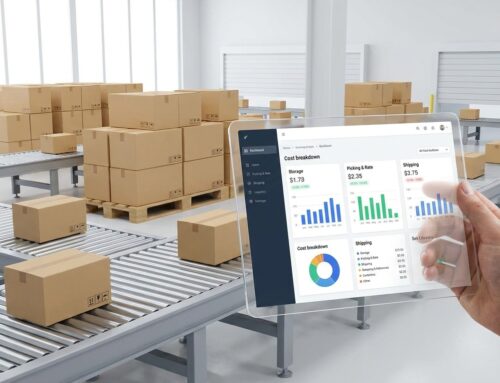
- Reporting and analytics dashboards you can actually use
- Returns management portals for customers and internal teams
Outdated systems that require manual data entry or frequent reconciliation are red flags. Errors in order data cost time, money, and customer goodwill.
3. Scalability and Flexibility
Your fulfillment needs today may look nothing like your needs a year from now. A partner that works well for 200 orders per month may buckle under the pressure of a viral product launch or a holiday spike.
Ask prospective partners how they handle volume surges. Do they staff up for peak seasons? Do they have overflow capacity? Can they accommodate new SKUs quickly without long onboarding timelines?
If you’re a growing small business, look specifically for a fulfillment center built for small businesses that can scale with you rather than one designed for enterprise clients with massive minimums.
4. Pricing Structure and Transparency
Fulfillment pricing is notoriously complex. Most providers charge a combination of receiving fees, storage fees, pick-and-pack fees, and outbound shipping rates. The devil is always in the details.
Watch out for:
- Long-term storage fees that accumulate on slow-moving inventory
- Fees for account setup, integrations, or reporting
- Per-insert or custom packaging surcharges that weren’t disclosed upfront
- Minimum order requirements that don’t match your current volume
Transparency matters. A trustworthy fulfillment partner should be able to walk you through a sample invoice before you sign a contract. Understanding how dimensional weight affects your shipping bill is also essential — learn more about why your shipping bill might be higher than your package weight.
5. Accuracy and Quality Control
Order accuracy is non-negotiable. Mispicks — sending the wrong item or wrong quantity — create a cascade of problems: frustrated customers, increased return rates, reshipment costs, and damaged brand perception.
Ask potential partners about their order accuracy rates. Industry leaders typically operate at 99.5% accuracy or higher. Find out what quality control processes they have in place, how they handle errors when they do occur, and whether they offer any service guarantees.
For apparel brands specifically, accuracy is especially critical because sizing errors are immediately obvious and deeply frustrating to customers. If you’re in this niche, consider reading about when to outsource apparel fulfillment for industry-specific guidance.
6. Returns Management
A smooth returns process is one of the most underrated factors in customer retention. Studies show that 92% of consumers will buy again if the return process is easy. If your fulfillment partner handles returns poorly, it creates friction that hurts your repeat purchase rate.
Evaluate how your prospective partner manages the returns and exchanges process. Can returned items be inspected and restocked quickly? Do they provide return labels or portals? How are damaged goods handled and documented?
7. Packaging Capabilities
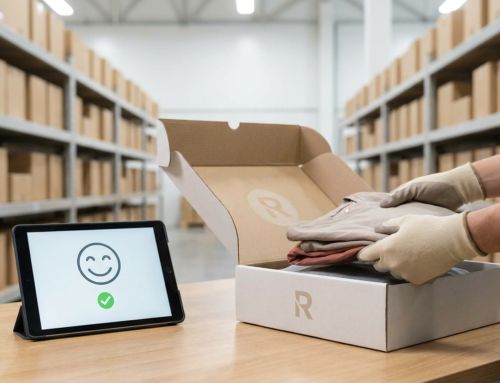
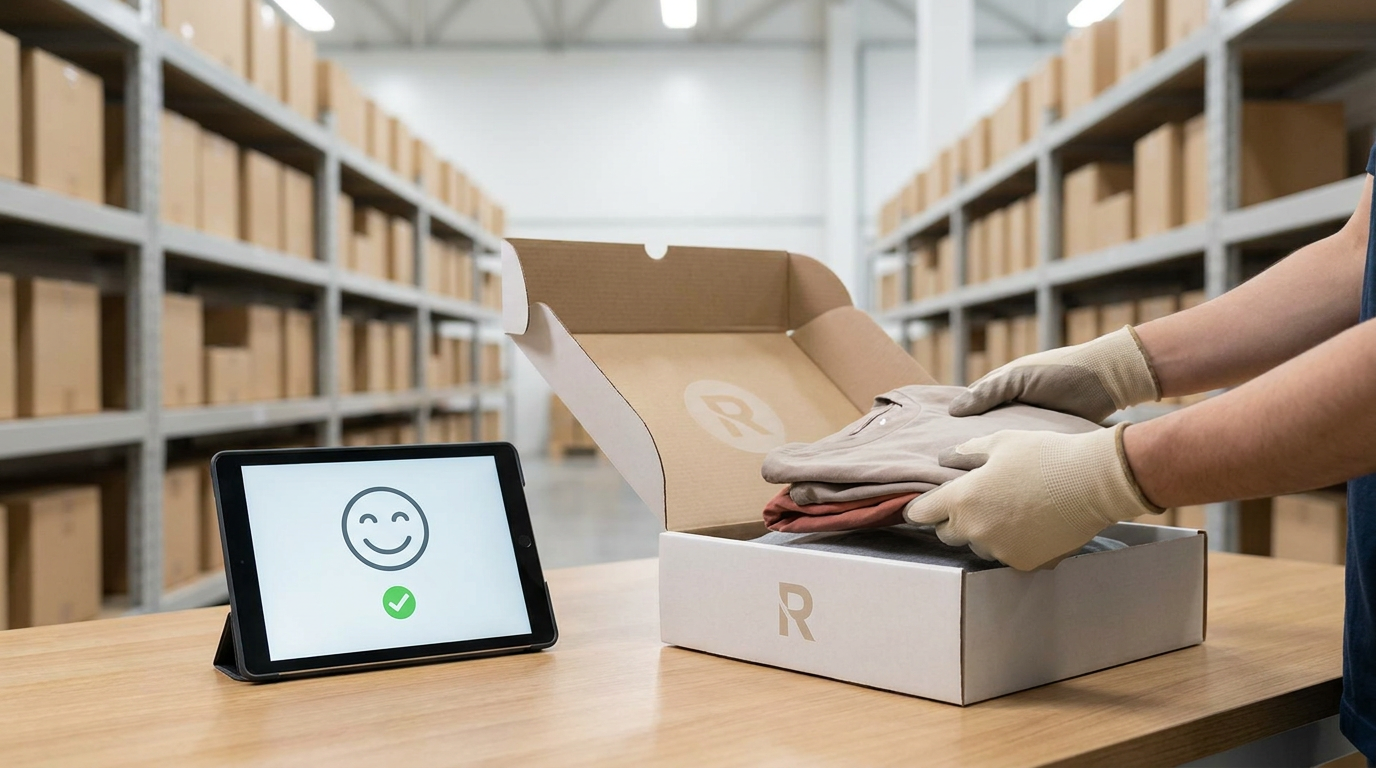
Packaging isn’t just about protection — it’s a brand touchpoint. When a customer receives a beautifully packaged order, it elevates their perception of your brand and increases the chance they’ll share the experience on social media.
Many fulfillment partners offer custom packaging options, including branded boxes, tissue paper, inserts, and poly mailers. If this matters to your brand identity, confirm that your partner can accommodate it without prohibitive costs.
For clothing brands especially, custom packaging plays a significant role in the post-purchase experience. Make sure your fulfillment partner can execute your vision at scale.
Types of Fulfillment Partners to Consider
Not all fulfillment providers are built the same. Understanding the different types helps you narrow your options to those that fit your business model.
Third-Party Logistics (3PL) Providers
These are dedicated fulfillment companies that serve multiple clients from shared or dedicated warehouse space. They’re the most common type of fulfillment partner for ecommerce businesses. For a deep dive into how these providers work, check out this complete guide to 3PL fulfillment warehouses.
Direct-to-Consumer (DTC) Specialists
Some fulfillment providers specialize in direct-to-consumer fulfillment, optimizing their operations for high-volume, individual order shipments rather than bulk B2B deliveries. These partners are ideal for ecommerce brands selling directly through their own websites.
Omnichannel Fulfillment Providers
If you sell across multiple channels — your own website, Amazon, retail stores, wholesale accounts — you need a partner capable of handling all of them. Omnichannel ecommerce fulfillment requires sophisticated systems that can route orders intelligently across channels without overselling or stockouts.
Industry-Specific Fulfillment Partners
Some providers specialize in particular product categories such as apparel, electronics, beauty, or food. If your products have unique handling, storage, or compliance requirements, working with a specialist can save you significant headaches down the line.
How to Evaluate a Fulfillment Partner: A Step-by-Step Process
Choosing a partner shouldn’t be a quick decision. A structured evaluation process helps you compare providers fairly and avoid costly mistakes.
Step 1: Define Your Requirements
Before reaching out to any providers, get clear on your own needs. Document your average monthly order volume, SKU count, average order size, peak season patterns, required integrations, and any special handling needs. This information will be the foundation of every conversation you have.
Step 2: Research and Shortlist
Use industry resources, reviews, and referrals to build a shortlist of 3-5 providers. Look for partners with experience in your product category and with businesses at your current stage. Reading industry blogs and insights can help you identify what to look for and which providers are earning strong reputations.
Step 3: Request a Detailed Proposal
Send each shortlisted provider a detailed RFP (Request for Proposal) that includes your requirements from Step 1. Ask for a full pricing breakdown, SLA details, technology capabilities, and references from existing clients in your industry.
Step 4: Tour the Facility
If possible, visit the warehouse in person. You’ll learn more from a one-hour tour than from hours of calls and emails. Look for cleanliness, organization, staff professionalism, and the technology in use. A chaotic warehouse is a preview of chaotic fulfillment.
Step 5: Check References
Ask for two or three references and actually call them. Ask about accuracy rates, communication quality, how issues are resolved, and whether they would recommend the partner. This step is skipped far too often and far too regretted.
Step 6: Negotiate the Contract
Review the contract carefully. Pay attention to minimum commitments, termination clauses, liability for lost or damaged goods, and rate escalation terms. Don’t be afraid to negotiate — most providers have some flexibility, especially for promising long-term clients.
Common Mistakes to Avoid When Choosing a Fulfillment Partner
Even experienced operators make avoidable mistakes in the selection process. Here are the most common pitfalls:
- Choosing on price alone. The cheapest option rarely delivers the best value. Hidden fees and poor service quality erase any savings quickly.
- Not planning for growth. A partner that fits your business today may not support you six months from now. Build scalability into your evaluation criteria.
- Ignoring cultural fit. Your fulfillment partner will be in constant communication with your team. Poor communication or misaligned values create ongoing friction.
- Skipping the contract review. Unfavorable terms in a rushed contract can lock you into a bad situation for months or years.
- Underestimating onboarding complexity. Integration setup, inventory transfer, and staff training take time. Plan for a transition period and communicate realistic timelines to your customers.
Specialty Considerations for Specific Business Types
Small and Growing Brands
If you’re early-stage, you need a fulfillment partner that won’t penalize you for low volume or change fees. Flexibility and transparent pricing matter more than advanced features at this stage. Explore what the best 3PL options for small businesses actually look like in practice.
Apparel and Fashion Brands
Clothing brands deal with high SKU counts, size variants, returns, and presentation standards that other categories don’t face. Understanding how to properly package clothes for shipping is just one piece of the puzzle — your partner needs to handle all of it at scale.
Brands with Oversized or Lightweight Bulky Products
Products that are large but light create unique shipping challenges. Dimensional weight pricing can inflate your costs dramatically if you’re not careful. Learn how to manage shipping for lightweight bulky items and discuss these specifics with any partner you’re considering.
Building a Long-Term Partnership for Sustainable Growth
Once you’ve selected a fulfillment partner, the work doesn’t stop at onboarding. The most successful brands treat their fulfillment relationships as strategic partnerships — not just vendor contracts.
Schedule regular business reviews. Review KPIs like order accuracy, ship times, and return rates monthly. Share your sales forecasts so your partner can plan capacity and staffing accordingly. When problems arise — and they will — address them quickly and constructively rather than letting resentment build.
The best partnerships evolve over time. As your business grows, your fulfillment needs will change. A proactive partner will bring ideas to improve your operations, reduce your costs, and help you stay ahead of customer expectations.
For example, as your order volume scales, you might explore same-day and next-day options through same-day and next-day shipping capabilities that your partner can unlock. These services can become a genuine competitive advantage in crowded markets.
You should also leverage your partner’s expertise in warehousing. Proper warehousing and distribution strategy — including slotting optimization and inventory management — can meaningfully reduce your pick times and storage costs over the long term.
Conclusion: Your Fulfillment Partner Is a Growth Lever
Selecting the right fulfillment partner is one of the highest-leverage decisions you’ll make as an ecommerce business owner. Get it right, and you gain a reliable operational foundation that supports faster growth, happier customers, and healthier margins. Get it wrong, and you’ll spend months managing damage control instead of building your brand.
Take the time to define your requirements, evaluate partners rigorously, and build a relationship built on transparency and shared goals. The short-term effort pays dividends for years to come.
Ready to explore what a true fulfillment partnership looks like? Contact the Shipcore Fulfillment team to discuss your specific needs, get a transparent pricing breakdown, and find out how we help brands like yours scale with confidence.
Explore more resources on ecommerce fulfillment strategies and discover how smarter logistics can transform your business operations from the ground up.