Backordered Meaning in E-commerce
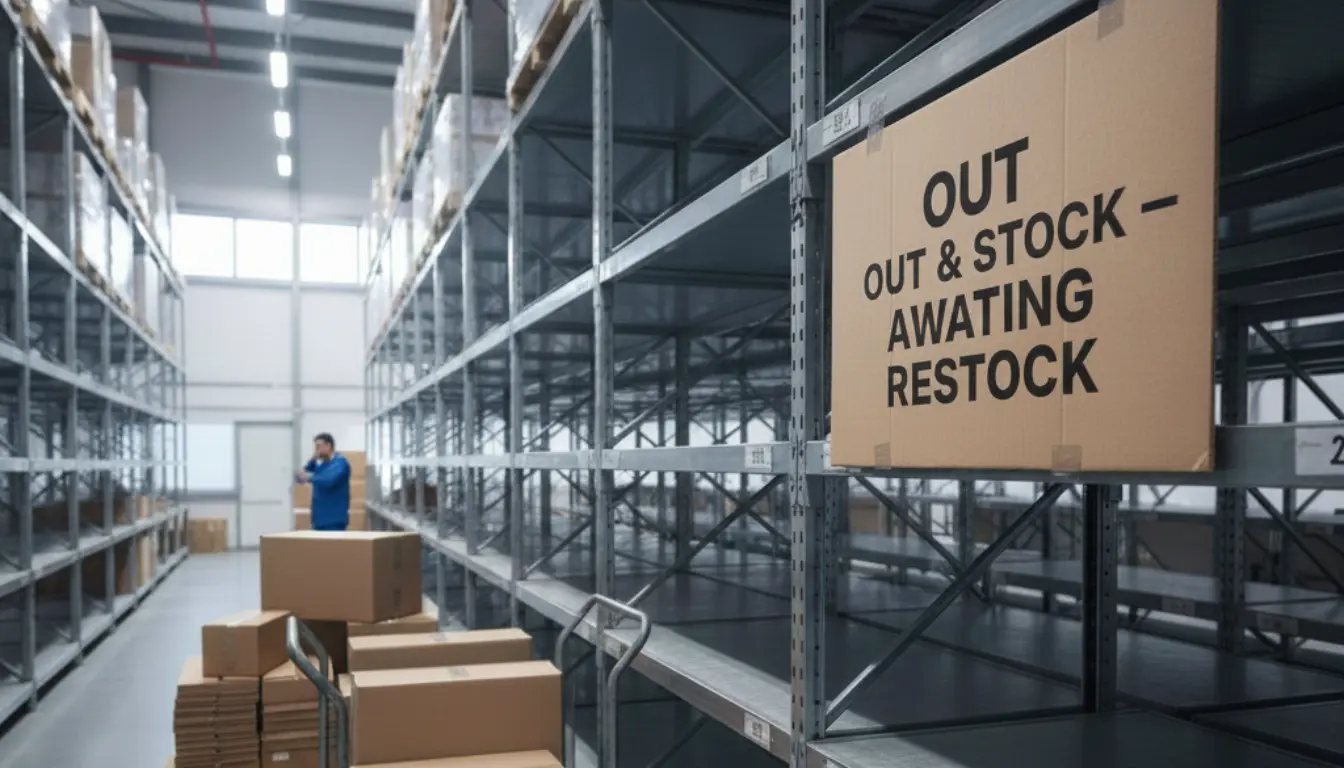
So what does backordered mean for your ecommerce business? Backordered refers to products temporarily unavailable but expected to restock soon, allowing customers to purchase and receive them later. Unlike out-of-stock items, backorders guarantee future fulfillment with an estimated arrival date. This inventory strategy keeps sales flowing during supply disruptions and stock shortages.
Think of popular toy brands like Lego during the holiday rush. When exclusive sets sell out, retailers often accept backorders rather than turning away eager customers. This order management strategy maintains customer loyalty while managing inventory constraints. The backorder status allows retailers to secure revenue even when physical product availability drops to zero. Customers pre-order backordered items, securing them ahead of restock, creating a win-win scenario for both parties.
Common triggers for backorders include:
• Supply chain delays from shipping bottlenecks or raw material shortages
• Demand surges exceeding forecasted sales velocity
• Manufacturing lead time extensions during peak seasons
• Supplier stockouts affecting wholesale availability
Understanding backorder scenarios:
The reality of inventory management means understanding what does backordered mean in different contexts. For instance, electronics retailers during new product launches often face overwhelming demand that depletes stock within hours. Fashion brands experiencing viral social media moments see similar inventory depletion. In these situations, implementing a backorder system captures sales that would otherwise migrate to competitors. The key is managing customer expectations through transparent communication strategies and realistic fulfillment timelines.
Ready to streamline backorder handling? Visit ShipCore Fulfillment for expert 3PL support.
Backordered vs Out of Stock: Key Differences
Backordered items remain purchasable with a restock timeline, while out-of-stock products block orders entirely until replenished. Backorders signal planned resupply; out-of-stock lacks guarantees, risking lost sales. E-commerce sellers use backorders to retain customers during shortages.
| Aspect | Backordered | Out of Stock |
|---|---|---|
| Order Possible? | Yes, ships later | No |
| Restock Timeline | Expected date provided | Unknown |
| Customer Impact | Delayed delivery | Immediate rejection |
The business choice between accepting backorders versus displaying items as out-of-stock depends heavily on your product niche and customer expectations. High-demand collectibles or specialized equipment often warrant backorder systems, while commodity products might perform better with stock availability messaging. Understanding your market’s patience threshold determines which strategy maximizes conversion rates.
Consider the impact on order fulfillment operations. When you understand what does backordered mean for your supply chain, you can better prepare your team for warehouse operations, shipping logistics, and customer service demands. Businesses using inventory management software report 40% fewer stockout incidents and improved order accuracy. These systems track stock levels in real-time, automatically triggering purchase orders when inventory reaches predetermined reorder points.
Backorder vs Preorder Explained
Preorders target unreleased products with known launch dates, building hype; backorders apply to existing items awaiting restock. Preorders suit new launches like gaming consoles or limited-edition merchandise; backorders handle demand spikes on available SKUs. Both boost revenue but require clear timelines.
Key considerations:
• Preorder pros: Early cash flow injection and market validation before production scales
• Backorder cons: Potential order cancellations from extended wait times impacting customer satisfaction
Smart sellers leverage backorders to create exclusivity in USA niche markets. Limited availability signals desirability, transforming inventory challenges into marketing opportunities. When customers know a product’s worth the wait, backorder status becomes a badge of quality rather than a deterrent.
Seasonal backorder management requires particular attention. During Q4 holiday shopping, demand forecasting becomes critical as consumer behavior shifts dramatically. Retailers accepting backorders during peak seasons must balance inventory turnover with realistic delivery promises. Many successful ecommerce businesses set cutoff dates for holiday backorders, ensuring order processing aligns with shipping deadlines. This proactive approach maintains customer satisfaction while protecting your brand reputation.
Pros and Cons of Accepting Backorders
Benefits include guaranteed demand signals, prepayments for cash flow, and customer data capture. Drawbacks involve cancellations, extra customer service workload, and payment risks like expired cards. Balance by targeting loyal USA ecommerce audiences.
Advantages of backorders:
• Revenue continuity during stock shortages prevents lost opportunities
• Demand forecasting accuracy improves with real order data
• Customer retention through securing purchases before competitors restock
• Working capital from early payments funds inventory replenishment
Disadvantages of backorders:
• Cancellation rates increase when delivery delays exceed customer tolerance
• Support burden escalates from status inquiries and timeline changes
• Payment complications arise from expired credit cards or insufficient funds at ship time
• Reputation risks from consistently long wait times damaging brand perception
Calculating your backorder rate:
Backorder Rate = (Unfilled Orders / Total Orders) × 100
Industry benchmarks suggest maintaining a backorder rate below 5% for optimal customer experience. Higher rates indicate inventory planning issues or supplier reliability problems requiring immediate attention. Track this metric alongside order fill rate and perfect order percentage to gain comprehensive visibility into your fulfillment performance. Understanding these KPIs helps optimize your stock replenishment cycles and reduce dependency on backorders.
Struggling with backorder cons? ShipCore Fulfillment offers advanced warehousing solutions to speed USA shipments.
How to Manage Backorders Effectively
Process payments near ship date after fraud checks, use cross-docking for fast fulfillment, and prioritize backorders in queues. Communicate via emails with ETAs to build trust. Tools like inventory software prevent excess backorders.
Efficient ecommerce fulfillment systems integrate backorder management directly into your order processing workflow. Automated inventory tracking alerts you before stockouts become critical, while fulfillment partners handle logistics complexities.
Communication Strategies for Backordered Items
Set expectations on product pages, send update funnels, and notify on restock. Build excitement with teasers to cut cancellations. Transparent communication converts waiting into anticipation.
Effective communication steps:
- Website badges displaying “Backordered – Ships [Date]” on product pages
- Auto-emails confirming orders with estimated delivery windows
- Progress trackers in customer accounts showing fulfillment stages
USA consumers show varying tolerance for wait times across product categories. Niche specialty goods like artisan crafts or technical components command higher patience than everyday essentials. Understanding your audience’s purchase urgency shapes appropriate backorder timelines.
Payment and Fulfillment Best Practices
Verify cards early, partial ship in-stock items free, hold for full orders if preferred. Flexible shipping options accommodate different customer needs.
Consider implementing same-day or next-day shipping for urgent backorder fulfillment once inventory arrives. This premium service transforms wait frustration into delivery delight, recovering lost time through expedited logistics.
Tips to Prevent Backorders in Your Store
Forecast demand with historical data, maintain safety stock buffers, and audit inventory regularly. Partner with reliable USA 3PLs for real-time tracking. Avoid by setting reorder points tied to lead times.
Proactive inventory management reduces backorder frequency significantly. Implementing automated reorder triggers based on sales velocity ensures replenishment orders ship before stockouts occur. This strategic approach maintains product availability while optimizing working capital.
Demand Forecasting Tools
Use software for sales trends and MOQ planning. Advanced analytics identify seasonal patterns, promotional impacts, and market shifts affecting inventory requirements.
Key metrics to monitor:
• Backorder rate tracking unfulfilled order percentages
• Inventory turnover measuring stock movement efficiency
• Lead time variability assessing supplier reliability
• Stockout frequency identifying problem SKUs
Safety Stock Calculation
Formula: Safety Stock = Base Stock + (Demand Variability × Lead Time)
This calculation prevents stockouts while avoiding overstock costs. Adjust buffer levels based on product importance, supplier reliability, and seasonal demand fluctuations. Higher-margin products warrant larger safety stock investments.
Minimize disruptions with ShipCore—explore tailored USA fulfillment solutions, including returns and exchanges support at ShipCore Fulfillment.
Backorder FAQs for E-commerce Owners
What causes backorders?
Backorders occur when demand exceeds supply or supply chain delays hit. Manufacturing slowdowns, shipping disruptions, or unexpected viral trends trigger inventory shortfalls. Smart sellers use predictive analytics to anticipate these scenarios.
How long do backorders take?
Timelines range from weeks to months, varying by supply chain complexity. Domestic products typically restock faster than international imports. Communicating realistic ETA ranges rather than specific dates protects against customer disappointment.
How does Lego handle backorders?
Lego ships backordered sets upon arrival without delaying entire orders. This partial fulfillment approach maintains customer satisfaction while managing complex inventory allocation. Many ecommerce sellers adopt similar strategies for multi-item purchases.
Should I charge customers for backordered items immediately?
Best practice delays payment capture until shipment. This approach reduces chargeback risks and expired card complications. Authorize payments at purchase, then complete transactions when inventory arrives.
Can backorders improve customer loyalty?
Yes, when managed transparently. Customers appreciate securing desired products despite temporary unavailability. Exceptional communication and occasional loyalty incentives like priority shipping transform waits into relationship-building opportunities.
What’s the difference between backorder and pre-order?
Backorders apply to products previously in stock awaiting replenishment. Pre-orders target unreleased items with known launch dates. The distinction matters for customer expectations and inventory planning.
How can 3PL partners help with backorder management?
Third-party logistics providers offer real-time inventory visibility, cross-docking capabilities, and expedited fulfillment. Their warehouse networks enable faster restocking and distribution, minimizing customer wait times.
What technology helps automate backorder management?
Modern inventory management systems integrate with ecommerce platforms to automatically update product availability, trigger reorder alerts, and send customer notifications. Look for solutions offering API integrations, predictive analytics, and multi-channel synchronization. These tools reduce manual work while improving order accuracy and customer communication. Advanced systems even use machine learning to predict future demand patterns based on historical sales data, seasonality, and market trends.
Partner with ShipCore for seamless USA backorder management at ShipCore Fulfillment.